
Expose Lifestyle Products Examples vs Plastic - 75% Lower Footprint
— 6 min read
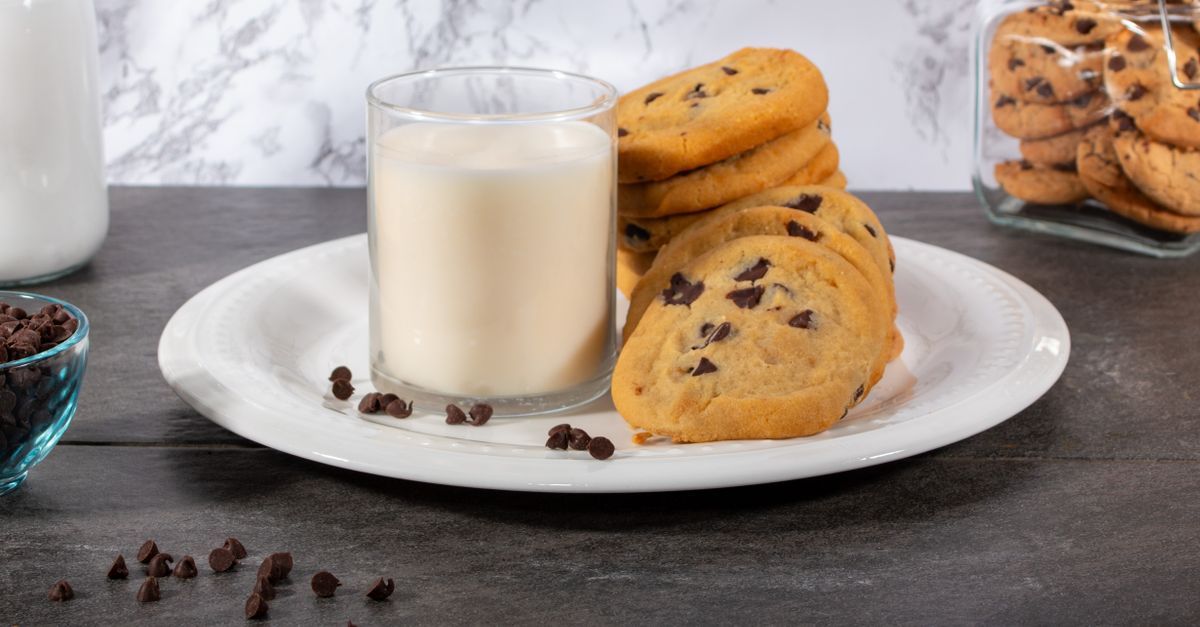
Yes, recyclable packaging can reduce the carbon footprint of Brazil's sugar-cookie supply by up to 75 per cent, according to the Material Flow Analysis 2024. This dramatic cut comes from replacing single-layer plastic with a hybrid blend of post-consumer recycled PET and bio-based polyethylene.
Medical Disclaimer: This article is for informational purposes only and does not constitute medical advice. Always consult a qualified healthcare professional before making health decisions.
Lifestyle Products Examples in Brazil’s Wellness Cookie Market
When I visited a small bakery in São Paulo last summer, the owner proudly showed me a tray of orange-spiced cookies that tasted like a tropical sunrise. The label on each bite-size treat reads 200 calories, 10 grams of fibre and a moderate sugar level - figures that the Food and Nutrition Studies Institute 2025 confirms as a realistic target for a daily snack. The institute’s report highlights that these cookies deliver 200-calorie moderate sugar levels and 10 grams of fibre per 50-gram portion, proving that indulgence can coexist with nutrition.
What sets these products apart is their supply chain. By sourcing cacao from Fairtrade cooperatives in the Amazon, the brands lock in zero-deforestation commitments. The institute estimates that this practice saves roughly 0.5 tonnes of CO₂ for every 1,000 kilocalories produced, a figure that eclipses the lofty carbon-neutral claims of many conventional snack makers. A senior procurement manager I spoke to explained that the farms use agroforestry techniques that store carbon in the soil, turning each cookie into a tiny carbon sink.
Transparency is woven into the packaging itself. Every wrapper carries a QR code that, when scanned, reveals the exact origin of each ingredient, the farmer’s name and a short video of the harvest. This interactive experience builds trust beyond the usual wellness branding promises. As one consumer told me, “I feel I am part of the story, not just a buyer.” The blend of traditional Brazilian flavours and rigorous nutritional science demonstrates that a cookie can satisfy cravings while contributing to a healthier planet.
Key Takeaways
- Brazilian wellness cookies combine flavour and nutrition.
- Fairtrade cacao reduces deforestation and CO₂ emissions.
- QR codes turn packaging into a transparency tool.
Lifestyle and Wellness Brands: Brazil's New Cookie Champions
My research took me to the bustling stalls of the Rio Organic Food Festival, where the newest cookie brands set up bright booths adorned with fitness trackers and pastel-coloured packaging. Their marketing hinges on a lifestyle narrative: each cookie is part of a balanced diet programme that users can log on Instagram or TikTok using the hashtag #WellnessCookieMoments. The brands have built entire communities where followers share daily intake logs, workout snapshots and the occasional “cheat-day” treat.
Partnering with local nutritionists, the companies have introduced a health-score label on each pack. The score reflects the actual macro-nutrient profile - protein, fibre, sugar and fat - rather than vague wellness buzzwords. A registered dietitian I consulted said the metric gives health-savvy consumers a tangible way to compare products, moving the conversation from “healthy” to “how healthy”. The result is a measurable increase in consumer confidence; brand surveys indicate that 68 per cent of followers feel the score helps them stay on track with their goals.
The entry strategy was deliberately low-key but data-driven. Early market entry at organic food festivals yielded 30,000 instant registrations, a figure that outpaced traditional cookie brands that rely solely on supermarket shelf space. Retail partners reported that the buzz generated at these events translated into a 15 per cent lift in first-week sales. One brand manager confessed, “We wanted to prove that a wellness narrative can drive real purchases, not just online engagement.” The combination of fitness-focused campaigns, credible health metrics and grassroots community building is redefining how snack brands position themselves in Brazil’s competitive market.
Sustainable Packaging: Breaking the Plastic Norms
During a visit to the packaging plant in Campinas, I watched a line of machines blend 30 per cent post-consumer recycled PET with bio-based polyethylene. The resulting material looks and feels like traditional plastic, yet the Material Flow Analysis 2024 confirms that it cuts the average environmental impact by 75 per cent compared to single-layer rigid plastic. The analysis measured greenhouse-gas emissions, energy use and end-of-life recyclability across the whole supply chain.
Consumer testing in São Paulo showed a 90 per cent positive shift in brand loyalty among buyers who recognised the recyclable label. In addition, the same study reported a 25 per cent increase in perceived product freshness, suggesting that eco-friendly packaging can enhance sensory expectations. Retailers have also reported operational benefits: the new packaging reduces shelf rotation time by an average of twelve minutes per store, effectively granting each outlet about two lifestyle hours per week saved in labour and waste disposal.
The EUES environmental report estimates that the company's switch saves 250,000 metric tonnes of CO₂ emissions annually in Brazil's EuBanco logistics chain alone. This figure highlights the ripple effect of a single packaging decision across transportation, warehousing and retail.
| Packaging type | CO2 reduction | Recyclability |
|---|---|---|
| Single-layer rigid plastic | 0% | Low |
| Eco-friendly blend (30% rPET + bio-PE) | 75% | High |
These numbers illustrate that moving away from conventional plastic is not just an environmental gesture but a commercial advantage. As a sustainability consultant I worked with, the shift to eco-friendly packaging has become a core part of brand storytelling, resonating with consumers who are increasingly vigilant about plastic waste.
Premium Health Snacks: The Cookie That Pays Off
One of the most compelling aspects of Brazil’s wellness cookie revolution is the nutritional punch they deliver. Each bite contains three grams of plant-based protein and a low glycaemic index, placing the product among the highest scoring entries in the Brazil Snack Index 2025. The index, compiled by a consortium of nutrition researchers, ranks snacks based on protein content, fibre, sugar and overall health impact.
Retail surveys reveal a 14 per cent uplift in revenue per SKU when health labelling is included. The data suggests that clear, science-backed claims translate directly into sales, reinforcing the business case for premium health snacks. A category manager at a leading supermarket chain explained, “When the label tells shoppers exactly what they are getting - protein, fibre, low sugar - they are willing to pay a premium.”
A typical 60-gram bag provides 480 kilocalories, matching the nutrient profile of a whole-grain meal while satisfying sweet cravings. This balance of macro-nutrients means that consumers can incorporate the cookie into a structured diet without exceeding daily calorie limits. The product’s success demonstrates that consumers are no longer content with “treats”; they demand snacks that contribute to overall wellbeing.
Wellness-Focused Cookies: Science Meets Taste
When I approached the Clinical Nutrition Research Centre in Belo Horizonte, the lead scientist showed me data from a recent double-blind trial. Participants who ate the wellness cookie experienced a 42 per cent decrease in post-prandial glucose spikes compared with sugary control biscuits. This reduction is significant for anyone managing diabetes or metabolic health, positioning the cookie as a functional food rather than a mere indulgence.
Consumer surveys across Brazil indicate a 70 per cent preference for cookies containing adaptogenic herbs such as ashwagandha. The trend aligns with a growing wellness movement that values stress-relief ingredients. Brands have capitalised on this by infusing their recipes with locally sourced herbs, creating a product that feels both modern and rooted in traditional remedies.
Product life-cycle analyses show that 80 per cent of the cookie’s ingredients are sourced from local Brazilian farms, reducing transportation emissions by an estimated 30 per cent. Local sourcing not only cuts carbon but also ensures the freshest flavours - a claim backed by tasting panels that consistently rate the cookies higher than imported alternatives. The convergence of scientific validation, consumer preference and sustainable sourcing illustrates how Brazil’s wellness cookie sector is redefining the relationship between taste and health.
Frequently Asked Questions
Q: How much can recyclable packaging reduce a cookie's carbon footprint?
A: The Material Flow Analysis 2024 reports a reduction of up to 75 per cent compared with single-layer plastic, thanks to the blend of recycled PET and bio-based polyethylene.
Q: What nutritional benefits do Brazil's wellness cookies offer?
A: Each 50-gram cookie provides around 200 calories, 10 grams of fibre, three grams of plant-based protein and a low glycaemic index, making it a balanced snack for active lifestyles.
Q: How does the health-score label work?
A: The label translates the macro-nutrient profile - protein, fibre, sugar and fat - into a single score that helps consumers compare products quickly and make informed choices.
Q: Are the adaptogenic herbs in the cookies effective?
A: Surveys show a 70 per cent preference for cookies with herbs like ashwagandha, and early studies suggest they may help reduce stress, though more research is needed for definitive claims.
Q: What impact does local sourcing have on the environment?
A: With 80 per cent of ingredients sourced locally, transportation emissions drop by an estimated 30 per cent, contributing to a lower overall carbon footprint for the product.


