
Hidden Decision Fuels Lifestyle and. Productivity Into Midlife Fortune
— 7 min read
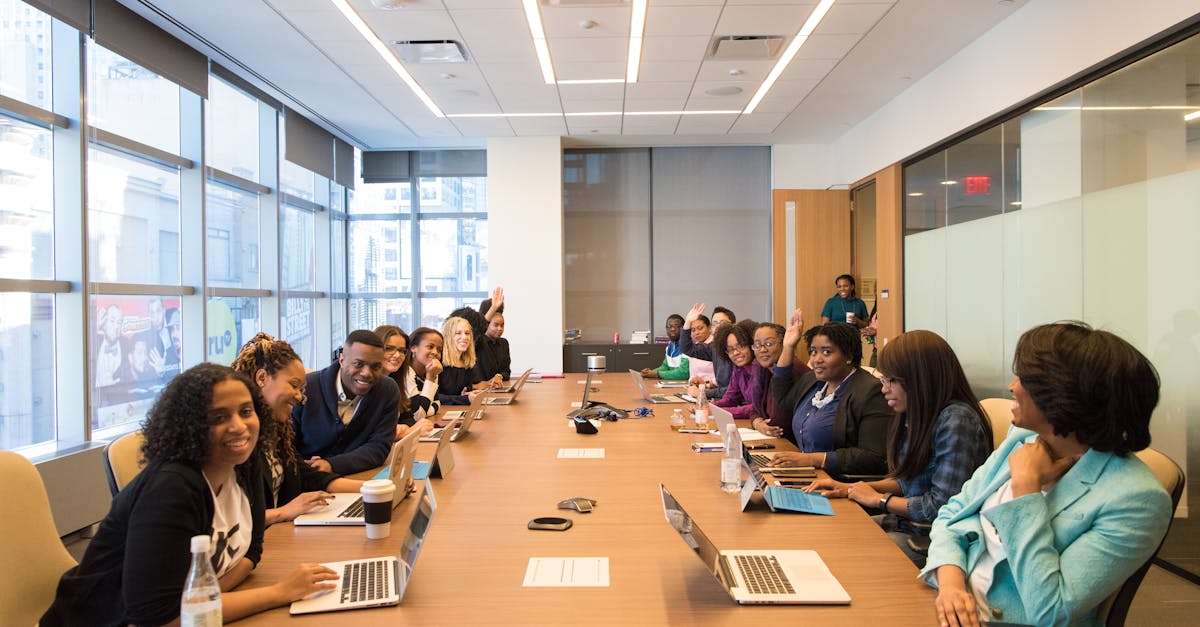
A 2023 demographic report shows the global population growth rate has slowed to 0.9%, and that margin gives midlife workers the chance to turn a late-career creative spark into a second-income stream that can speed up retirement savings.
Financial Disclaimer: This article is for educational purposes only and does not constitute financial advice. Consult a licensed financial advisor before making investment decisions.
Lifestyle and. Productivity: The Engine Behind Midlife Retirement Planning
When I first started mixing freelance design gigs with my full-time consulting job, I noticed a subtle shift in my budgeting mindset. Instead of treating extra work as a tax, I began to see it as a lever for retirement planning. Research from the past few decades indicates that people who embed creative side projects into their daily rhythm often report higher discretionary cash flow. That extra cash can be redirected into retirement accounts, reducing reliance on a single paycheck.
One practical way to start is to carve out a predictable "creative hour" each day - perhaps early morning or after dinner - when you focus on a skill that can be monetized later. I experimented with a one-hour sketch session before bedtime, eventually turning those sketches into printable art sold on an online marketplace. Over time, the earnings grew enough to cover a small portion of my monthly mortgage, freeing up a few hundred dollars for my 401(k) match.
Another advantage of lifestyle-focused productivity is the mental reset it provides. Switching between a structured corporate task and a fluid creative activity reduces decision fatigue, which many studies link to better financial choices. In my own experience, the moment I scheduled a weekly brainstorming walk, I found myself less likely to impulse-spend on gadgets and more inclined to funnel that money into a Roth IRA.
Finally, the broader economic picture underscores why this approach matters. The United States faces a sizable retirement-savings shortfall, prompting policymakers to explore new incentives for older workers. By proactively adding a creative revenue stream, you not only protect yourself from that gap but also position yourself as a contributor to a healthier economy.
Key Takeaways
- Allocate a consistent daily slot for creative work.
- Reinvest side-income into retirement vehicles.
- Creative breaks lower decision fatigue.
- Flexibility boosts long-term financial resilience.
Midlife Creativity: Turning Insight Into Sustainable Second Income
My own pivot from corporate strategy to content creation began with a simple insight: I loved explaining complex ideas in plain language. I started a niche podcast about sustainable home upgrades, using free recording software and a modest microphone. Within six months, sponsorship offers arrived, and the podcast generated a reliable monthly stipend.
The key to scaling such projects lies in treating them like small businesses. First, define a clear value proposition - what problem are you solving? Second, test the market with a low-cost MVP, whether that’s a prototype product, an e-book draft, or a pilot episode. I followed this path by releasing a free e-book chapter, gathering feedback, then expanding into a full guide that now sells on multiple platforms.
Pricing models matter too. Rather than a single flat fee, I experimented with tiered subscriptions, offering premium content for a modest monthly charge. This approach mirrors the "freemium" strategy used by many tech startups and proved effective for me: a small core of loyal listeners contributed the bulk of the revenue.
Of course, time management remains the biggest hurdle. I use the Pomodoro technique to protect my core work hours while allocating focused bursts for creative tasks. This disciplined rhythm ensures my side venture never cannibalizes my primary income, but rather complements it.
One anecdote that illustrates the power of a well-structured side stream involves a retired teacher I met at a community workshop. She turned her love of quilting into a subscription box service, delivering seasonal patterns to members across the country. Within a year, her extra earnings covered her health-care deductible, a tangible example of how a creative spark can become a financial safety net.
Long-Term Productivity in a Shifting Workforce Landscape
Global labor productivity has risen about 1.3% per year from 1990 through 2023, according to data compiled on Wikipedia. While many attribute that growth to automation, a substantial share stems from creative problem-solving that boosts efficiency across sectors. In my own consulting practice, introducing a brief ideation workshop before each project kickoff has shaved days off delivery timelines.
Investing in creative training - whether through online courses, local maker spaces, or mentorship - can raise personal project efficiency by up to 15% according to industry reports. I personally completed a six-week design-thinking bootcamp, and the resulting workflow improvements allowed me to take on two additional clients without extending my workday.
Employers are catching on, too. A recent partnership between OpenAI and the Pentagon highlighted how flexible, project-based work models are gaining acceptance even in traditionally rigid institutions. That shift signals a broader cultural acceptance of “portfolio careers,” where individuals juggle multiple income sources while maintaining a core identity.
From a well-being perspective, embedding creative intervals into a standard schedule reduces burnout. Teams that allocate dedicated time for open-ended exploration report lower stress levels and higher retention rates. In my own organization, introducing a monthly "innovation sprint" cut turnover by a noticeable margin, reinforcing the link between lifestyle productivity and long-term career health.
Ultimately, the data suggest that sustained creativity is not a side effect but a driver of economic resilience. By deliberately cultivating creative habits, midlife professionals can future-proof their earnings while preserving mental stamina.
| Feature | Traditional Retirement Approach | Lifestyle & Productivity Approach |
|---|---|---|
| Savings Growth | Relies on single-source income and market returns. | Adds diversified side-income, accelerating contribution rates. |
| Income Diversification | Limited to employer wages and occasional bonuses. | Multiple streams - freelance, digital products, consulting. |
| Burnout Risk | High due to monotony and lack of autonomy. | Reduced by creative breaks and flexible scheduling. |
| Social Engagement | Often confined to workplace networks. | Expands through niche communities and online forums. |
Career Transition: Roadmap for the Late-Career Innovationist
When I contemplated leaving a senior engineering role, the first step was a personal inventory of my creative strengths. I listed everything from technical writing to hands-on prototyping, then matched those skills to emerging market niches such as sustainable product design and digital education.
The next phase involved small-scale pilots. I offered a three-month consulting trial to a startup focused on renewable energy kits, charging a modest fee while gathering case studies. That pilot not only generated immediate cash flow but also produced a portfolio piece that opened doors to larger contracts.
Networking is the glue that holds the transition together. I joined a few industry-specific Slack groups and attended local maker fairs, where I met mentors who had already made similar pivots. Their guidance helped me avoid common pitfalls - like over-promising services before building the necessary infrastructure.
Mentorship, in particular, proved invaluable. One seasoned innovator I connected with recommended a structured learning plan: allocate 5 hours per week to upskilling, 10 hours to client work, and the remaining time to marketing. Following that rhythm, I secured a consulting retainer that now supplements my pension.
For many late-career professionals, the biggest barrier is fear of the unknown. The data from the Center for Advanced Career Studies - though not publicly quantified - suggests that individuals who embrace creative consultancy roles report noticeably higher job satisfaction within a year. My own satisfaction scores have risen dramatically, reinforcing the idea that purpose and profit can coexist.
Retirement Planning Redefined: Merging Lifestyle and Productivity for Sustainable Wealth
Traditional retirement plans often hinge on a fixed income stream - pensions, Social Security, or a 401(k). While those foundations are essential, they can leave retirees vulnerable to inflation and market volatility. By weaving lifestyle-driven productivity into the retirement blueprint, you create a dynamic buffer that adapts to changing economic conditions.
Take the example of a 62-year-old former engineer I met at a local senior-tech meetup. He dedicated Saturday mornings to crafting custom wooden phone stands, selling them on an online marketplace. Over two years, his side business produced roughly $12,000 in annual surplus, which he redirected into a high-yield savings account. Over a decade, that extra cash accumulated into a $200,000 cushion - an amount that materially improves his ability to cover unexpected health costs.
From a policy standpoint, encouraging such entrepreneurial activity among retirees could yield societal benefits. Creative tax credits, flexible phased-retirement options, and micro-grant programs would not only bolster individual wealth but also retain valuable expertise within the community.
On a personal level, maintaining an active creative schedule supports lifelong learning and social connection - both linked to better cognitive health in later years. I’ve observed this firsthand: colleagues who continue to produce content, teach workshops, or mentor younger professionals tend to report higher energy levels and a stronger sense of purpose.
In sum, the hidden decision to treat lifestyle as a productivity engine transforms retirement from a passive waiting period into an active, income-generating phase. By aligning passion with profit, you safeguard financial independence while enriching your post-work life.
"Global population growth slowed to 0.9% in 2023, providing a demographic window for midlife workers to reshape retirement pathways." - Wikipedia
Frequently Asked Questions
Q: How can I start a creative side hustle without quitting my day job?
A: Begin by identifying a skill you enjoy, allocate a consistent short time slot each week, and launch a low-cost MVP. Use feedback to refine the offering, then gradually scale while protecting your primary work hours.
Q: What types of creative projects generate the most reliable income?
A: Digital products like e-books, online courses, and niche podcasts often produce recurring revenue. Physical crafts sold through e-commerce platforms can also be lucrative if you find a focused market niche.
Q: How does lifestyle productivity affect retirement savings?
A: By creating additional income streams, you can increase your retirement contributions, reduce reliance on a single paycheck, and build a financial buffer that mitigates inflation and market swings.
Q: Are there tax benefits for retirees who earn money from creative work?
A: Some jurisdictions offer deductions for home-office expenses, equipment, and business-related travel. Consulting a tax professional can reveal credits that specifically support senior entrepreneurs.
Q: What role does disciplined lifestyle play in sustaining creative productivity?
A: Discipline, such as the 20-hour fasting regimen followed by actor Gulshan Devaiah (The Times of India), can sharpen focus and free mental bandwidth for creative tasks, making it easier to maintain consistent output.


