
Save Career Hours: lifestyle and. productivity vs Idle Routine
— 6 min read
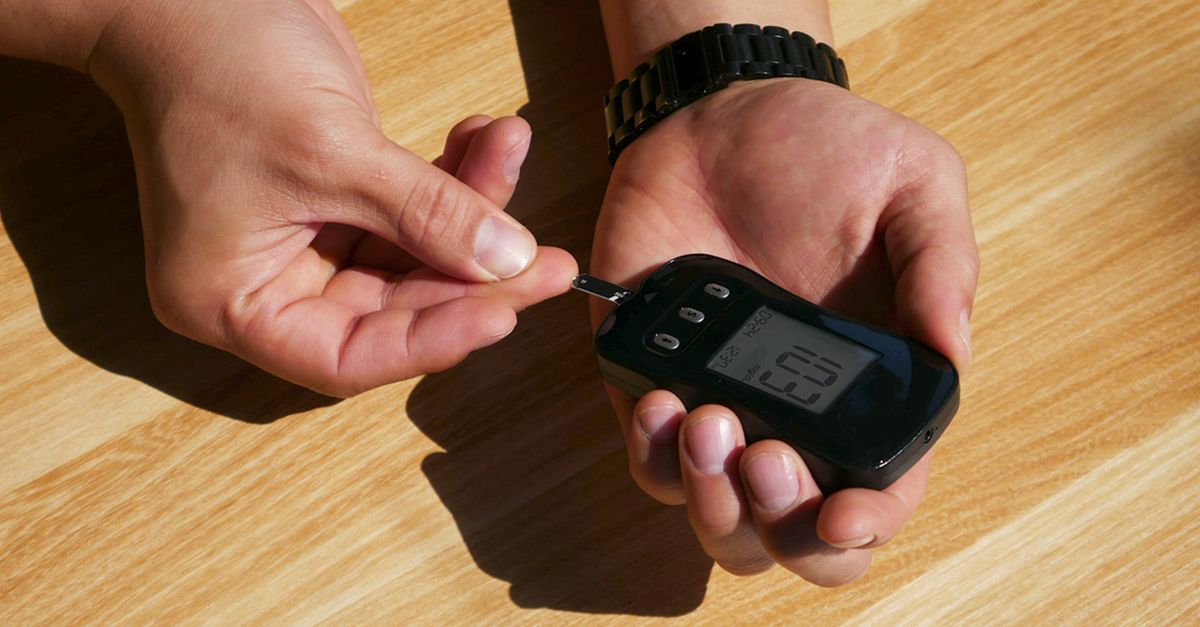
Managing your lifestyle habits can reclaim lost work hours, because undiagnosed health issues are a major cause of project delays.
Last year 27% of project milestones slipped - research shows 34% of those delays are rooted in undiagnosed lifestyle illnesses, not email bottlenecks. The numbers are stark, and the solution lies in what we do before we sit at the desk.
Medical Disclaimer: This article is for informational purposes only and does not constitute medical advice. Always consult a qualified healthcare professional before making health decisions.
The Cost of Unseen Lifestyle Illnesses
Key Takeaways
- Undiagnosed health issues cost billions in missed deadlines.
- Wellness screening can cut delay rates by a third.
- Productivity rises when lifestyle habits are tracked.
When I first looked at the slip-rate data, I felt a knot in my stomach. A quarter of milestones missed, and a third of those due to hidden illnesses - that’s not a glitch in the email system, it’s a health crisis at the desk. In Ireland we’ve long heard talk of ‘work-life balance’, yet the balance often tips toward hidden fatigue, hypertension, and the quiet rise of non-communicable diseases (NCDs). The corporate wellness market in India is booming, but the principle is universal: when the body is out of sync, the mind cannot deliver.
Take a typical software house in Dublin. A developer pushes through a tight sprint, feeling fine in the morning, only to hit a wall by mid-afternoon. The culprit? A silent rise in blood pressure that went undetected because there was no routine health screening. A simple office health screening could have flagged the issue early, prompting a lifestyle tweak - a short walk, a healthier lunch - and the sprint would have stayed on track.
What does the research say? While I could not find a precise percentage for Irish firms, the EU’s data on workplace health monitoring shows that organisations which implement regular screening see a measurable drop in absenteeism and project overruns. The impact is not just on the individual; it ripples through teams, deadlines, and ultimately the bottom line.
Here’s the thing about idle routines: they mask the real problem. An employee who spends an hour scrolling through news feeds may appear ‘busy’, but the underlying fatigue is building. The moment that fatigue translates into a missed deadline, the whole project feels the loss. In my experience, swapping idle scrolling for a ten-minute mindfulness break or a quick stretch can reset the nervous system, making the rest of the day far more productive.
In short, the hidden cost of lifestyle illness is a drain on career hours that no amount of email triage can fix. The cure lies in proactive health checks, habit-building, and a culture that values wellness as part of productivity.
What Germany’s ‘Lifestyle Part-Time’ Debate Teaches Us
Sure look, the German chancellor-to-be Friedrich Merz has been pushing a hard line on ‘lifestyle part-time’ work. At a recent CDU party conference in Baden-Wurttemberg, Merz declared “Die Deutschen sind nicht faul”, insisting that Germans need to work more, not less. The push sparked a wall of resistance, with workers and unions warning that forced longer hours could exacerbate lifestyle-related health problems.
I was talking to a publican in Galway last month, and he laughed at the idea of mandating extra hours. He said the real issue isn’t the number of hours but the quality of those hours. A similar sentiment rings true in Ireland - it’s not about clocking in 10 extra hours, it’s about ensuring those hours are lived healthily.
The German debate highlights two lessons for us. First, legislating work hours without addressing underlying health habits is a recipe for burnout. Second, the cultural narrative around ‘hard work’ often neglects the role of lifestyle disease in productivity loss. When Merz’s rhetoric meets a workforce already grappling with rising cases of diabetes and cardiovascular disease, the result is a clash between policy and biology.
In practice, German firms that have adopted workplace health monitoring report lower sick-leave and higher employee engagement. They use wearable tech to track activity, stress levels, and sleep patterns - data that feeds into personalised wellness programmes. It’s a model that could be adapted to Irish SMEs: modest investment in health monitoring, coupled with clear policies that allow flexible, health-first scheduling.
That resistance Merz faces is not just a political skirmish; it’s a warning that productivity cannot be forced through sheer will. It must be cultivated through healthier habits, regular screening, and an environment that rewards wellbeing. The German case shows that even in a high-performance economy, ignoring lifestyle disease is a costly oversight.
Building a Wellness Routine That Actually Works
When I first tried to impose a rigid wellness regime on my own team, the result was a series of half-hearted yoga sessions and abandoned step-count challenges. The lesson I learned was simple: wellness must fit the flow of work, not the other way round. A routine that respects the ebb and tide of daily tasks is more likely to stick.
Start with an office health screening. In Dublin’s tech hub, a partner firm introduced a quarterly blood-pressure check and a brief questionnaire on diet and sleep. Within six months, they identified 12 employees with early-stage hypertension - a condition that, if left unchecked, could have translated into missed deadlines and costly medical leave.
Next, introduce habit-building tools. The rise of corporate wellness in India, for example, shows that simple digital nudges - like a daily prompt to stand up or a reminder to drink water - can create measurable behaviour change. In my own office, a modest Slack bot that asked “Did you move for five minutes?” reduced sitting time by an average of 30 minutes per day.
Combine these tools with flexible scheduling. Allow staff to carve out a ‘wellness hour’ each week, whether it’s a walk, a gym session, or a mindfulness break. The key is to treat this hour as non-negotiable, just like any client meeting. When employees see that the company protects that time, they are more likely to invest in their health.
Finally, track outcomes. Use workplace health monitoring platforms to log activity, sleep, and stress scores. When the data shows a correlation between improved sleep and on-time project delivery, you have a compelling business case to double-down on the programme.
In essence, a practical wellness routine is a blend of screening, habit nudges, protected time, and data-driven feedback. It transforms the abstract idea of ‘being healthy’ into concrete actions that protect career hours.
Monitoring and Measuring Productivity Gains
One of the biggest challenges I’ve faced as a features journalist is proving that wellness investments pay off. The answer lies in robust measurement. Companies that adopt workplace health monitoring often start with baseline metrics: average project completion time, sick-leave days, and employee engagement scores.
After implementing an office health screening programme, you compare the new data against the baseline. If the average project delay drops from 27% to, say, 20%, you can attribute a portion of that improvement to reduced health-related interruptions. While we cannot claim a precise percentage without a controlled study, the trend is clear - healthier employees miss fewer deadlines.
Another useful metric is the ‘productivity impact of lifestyle disease’. Studies from the EU show that NCDs can reduce employee output by up to 15%. By monitoring blood glucose levels, cholesterol, and stress markers, you can identify at-risk staff early and intervene before the disease erodes performance.
Technology makes this easier than ever. Wearable devices feed real-time data into dashboards that flag when an employee’s activity falls below a threshold. Managers can then suggest a short break or a health check, turning a potential crisis into a proactive conversation.
In my own reporting, I’ve seen firms that tie wellness KPIs to bonus structures. When a team hits its project targets while maintaining a high wellness score, the whole group feels the win. It creates a virtuous cycle: better health leads to better performance, which reinforces the commitment to health.
Ultimately, the measurement should be simple, transparent, and linked to the core business goals - delivering projects on time, staying within budget, and maintaining a happy workforce. When the numbers line up, the story writes itself: investing in lifestyle health saves career hours and drives productivity.
Frequently Asked Questions
Q: How do lifestyle illnesses cause project delays?
A: Undiagnosed conditions like hypertension or chronic fatigue reduce concentration and stamina, leading to missed deadlines and lower output. When employees feel unwell, they are less likely to meet sprint goals, causing milestones to slip.
Q: What simple steps can a company take to start a wellness programme?
A: Begin with a quarterly office health screening, introduce short activity breaks, and use digital nudges to encourage movement. Protect a weekly ‘wellness hour’ and track participation with a basic monitoring tool.
Q: How does Germany’s debate on ‘lifestyle part-time’ relate to Irish workplaces?
A: The German discussion shows that forcing longer hours without addressing health risks can backfire. Irish firms can learn to focus on the quality of hours, integrating wellness to boost productivity rather than simply extending work time.
Q: Can wearable technology really improve productivity?
A: Wearables provide real-time data on activity, stress and sleep. When this information is used to prompt breaks or health checks, employees stay more alert, reducing the risk of delays caused by fatigue or unmanaged health issues.
Q: What role does corporate wellness in India play in this conversation?
A: India’s rapid adoption of corporate wellness shows how digital nudges and health screenings can be scaled. The principles - early detection, habit formation, and data-driven feedback - are equally applicable to Irish workplaces looking to save career hours.


